Week 12 Fantasy Football Start ’Em, Sit ’Em Advice
Week 12 Fantasy Football Start ’Em, Sit ’Em: Lineup Advice from Justin Boone
Week 12 fantasy football decisions can shape the playoff race. With fewer games remaining, every quarterback streamer, flex choice, and injury decision carries more weight.
Justin Boone’s Yahoo Sports start/sit column offers a useful framework, but the available source summaries do not provide the complete player recommendations, rankings, or matchup details. Confirm specific names and ranking numbers in the full Yahoo Sports articles before using them in a lineup. Source 1
Use Boone’s recommendations as a starting point, then consider league scoring, player availability, injury news, expected game script, weather, and roster alternatives.
What to Check Before Setting Your Week 12 Lineup
Review Injury and Inactive News
A player’s outlook can change between publication and kickoff. Limited practice, a late setback, or a surprise inactive announcement can alter expected volume.
Classify players as:
- Cleared and expected to play
- Limited but active
- Game-time decisions
- Unlikely or ruled out
“Active” does not always mean fully healthy. A player may receive fewer snaps, run fewer routes, or lose red-zone work. This distinction is especially important for running backs, older receivers, and players returning from soft-tissue injuries.
Monitor teammates’ absences as well. An injured starter can create additional targets, carries, goal-line work, or two-minute-drill snaps. Check whether the replacement has previously held a meaningful role or whether the workload will be split.
Review official inactive lists before locking lineups. Do not rely only on an early-week projection.
Separate Start/Sit Advice from Rankings
A start/sit article addresses specific decisions, while rankings compare players across a position. A lower-ranked player can still be the better start if he has a safer workload, a better matchup, or a late opportunity created by an injury.
Use this process:
- Confirm the player’s status.
- Estimate the expected workload.
- Evaluate the matchup and game environment.
- Apply league scoring.
- Use rankings to resolve the remaining uncertainty.
Boone’s Week 12 rankings were published alongside his start/sit coverage, but the available source information does not include the ranking list. Source 5
Adjust for League Format
- Full PPR: Prioritize targets, receptions, and receiving work.
- Half-PPR: Balance reception volume with yardage and touchdown upside.
- Standard scoring: Emphasize carries, yardage, big plays, and red-zone usage.
- Superflex and two-quarterback leagues: Quarterback availability and rushing ability become more important.
- Tight-end premium leagues: Target volume receives additional value.
Apply rankings to your scoring system rather than treating them as universal.
Justin Boone’s Week 12 Start ’Em Advice
Start Players with Reliable Volume
Volume includes more than carries and targets. Review routes run, targets per route, carries, goal-line opportunities, red-zone usage, snap share, and two-minute-drill participation.
Consistent opportunity is generally more reliable than recent touchdown production. Players who remain on the field and receive designed opportunities have a stronger foundation across different game scripts.
The supplied source summary does not name Boone’s recommended players. Verify each player’s position, opponent, ranking, expected role, matchup, floor, ceiling, and confidence level in the full article. Source 1
Start Quarterbacks with Volume and Matchup Support
Evaluate pass-defense efficiency, pressure rate, expected pace, projected attempts, rushing upside, red-zone efficiency, and game competitiveness.
A close projected game can support passing volume late. A mobile quarterback can maintain a fantasy floor when passing efficiency falls. Compare a quarterback’s floor and likely attempts with those of available alternatives rather than chasing theoretical ceiling alone.
The source summary confirms Boone’s article but does not verify individual quarterback names or rankings. Source 1
Start Running Backs with Secure Roles
Track first-team snaps, early-down carries, passing-down work, two-minute-drill usage, goal-line opportunities, routes, and targets.
A running back with 18 expected touches can be safer than a more efficient player projected for eight uncertain opportunities. Split backfields lower confidence unless one player controls receiving or red-zone work. Treat touchdown upside as a bonus, not a baseline projection.
Monitor backups because a late inactive announcement can turn a reserve into a priority start.
Start Wide Receivers Who Win through Volume or Efficiency
Receivers typically derive value from target volume, explosive plays, red-zone work, slot usage, or matchup-specific efficiency. Evaluate target floor, air-yard potential, coverage, quarterback quality, and red-zone opportunity.
High-volume receivers are usually safer in PPR. Deep threats offer more ceiling but less floor, especially when downfield opportunities are limited.
Boone’s Week 12 receiver rankings provide positional context, but the available summary does not list the players or ranking numbers. Source 9
Start Tight Ends with Routes and Red-Zone Usage
Review route participation, target rate, end-zone targets, alignment, blocking responsibilities, and designed opportunities. A tight end who runs routes on most passing downs has a more sustainable path to production than one primarily used as a blocker.
When choosing between uncertain options, prioritize routes, then red-zone role, with matchup as a tiebreaker. One recent touchdown does not prove a permanent change in usage.
Justin Boone’s Week 12 Sit ’Em Advice
Sit Players with Reduced Opportunity
Warning signs include declining snap share, fewer routes, reduced carries, lost goal-line work, increased competition, and a changing depth-chart position.
A difficult matchup alone may not justify benching an elite player, but limited opportunity creates a lower floor. Use the complete Boone article to verify every sit candidate because the supplied summary does not provide names or player-specific reasoning. Source 1
Sit Quarterbacks with Limited Upside
Quarterbacks become risky starts when low projected scoring, conservative play-calling, a strong pass rush, low expected volume, and little rushing contribution overlap. A quarterback can play efficiently in real football while producing a weak fantasy score.
Sit Running Backs in Unclear Committees
Evenly divided touches, third-down substitutions, goal-line uncertainty, coaching changes, and volatile workloads all reduce confidence. In PPR leagues, eight carries and six targets can be more valuable than 14 early-down carries without receiving work.
Sit Receivers Dependent on One Big Play
Low target volume, limited routes, difficult coverage, unstable quarterback play, and little red-zone involvement make a receiver volatile. Use such players when chasing ceiling, not when a comparable option offers a safer target floor.
Sit Tight Ends without a Receiving Role
Seek alternatives when a tight end has low route participation, few targets, and no consistent red-zone involvement. Playing time alone does not guarantee fantasy value.
Using Rankings to Resolve Close Decisions
Compare players at the same position by expected opportunity, matchup, recent usage, injury status, scoring format, floor, and ceiling. A small ranking gap may be less important than late injury or weather news.
Use this sequence:
- Confirm both players are active.
- Compare expected workload.
- Check matchup and game environment.
- Apply league scoring.
- Use Boone’s ranking as the final tiebreaker.
Choose floor when protecting a lead. Choose ceiling when facing elimination or needing a large comeback.
Sleepers and Deeper-League Options
Yahoo Sports’ Week 12 Fantasy Football Toolkit combines start/sit advice, rankings, sleepers, and additional lineup guidance. Source 3
Look for growth in snap share, routes, designed touches, red-zone work, coaching support, and opportunity created by an injury. Repeated usage growth is stronger evidence than one long reception or touchdown.
Use uncertain sleepers as flex options when their ceiling is attractive but their floor remains unclear.
Sunday-Morning Lineup Checklist
Yahoo Sports planned last-minute Week 12 guidance through Fantasy Football Live. Check official inactives, weather, depth-chart news, warmup injuries, workload restrictions, and late quarterback decisions. Source 7
Confirm every starter is active and still has the expected role. Put questionable players in flexible spots when possible, and keep a backup available for late games.
Final Takeaways
Justin Boone’s Week 12 advice is most useful when combined with current information and league context:
- Start stable volume.
- Sit players with unclear roles.
- Use rankings to settle close calls.
- Adjust for scoring format.
- Treat touchdowns as volatile.
- Check inactive news before kickoff.
- Choose floor or ceiling based on your matchup.
The goal is not to predict every touchdown. It is to choose the lineup with the strongest expected opportunity.
FAQ
Who should I start in Week 12 fantasy football?
Start players with secure workloads, strong route or snap participation, and manageable matchups. Adjust Boone’s recommendations for injuries, scoring format, and available alternatives.
Who should I sit in Week 12 fantasy football?
Consider sitting players with declining usage, uncertain roles, difficult matchups, or limited reception and touchdown opportunities.
How should I use Boone’s Week 12 rankings?
Use them to compare players at the same position and resolve close decisions. Do not ignore late injury news, role changes, or league settings.
Should I prioritize floor or ceiling?
Prioritize floor when protecting a lead. Choose ceiling when you need a large comeback or already have a safe lineup.
Are Sunday updates important?
Yes. Inactives, injuries, weather, and workload changes can significantly alter a player’s outlook. Check Fantasy Football Live and official team reports before kickoff.
What if Boone’s advice conflicts with my rankings?
Compare expected volume, matchup, injury status, scoring format, and replacement options. The latest verified role or health update should carry the greatest weight.
Related Articles
-
 College Football Playoff Top 12 Projection After Week 13
-
 Alabama’s CFP Case Faces Its Biggest Test After Auburn Loss
-
 Michigan Chick-fil-A Sandwich Story: What’s Verified
-
 Alabama Playoff Hopes Jeopardized by Iron Bowl Loss
-
 Lincoln Riley Makes USC’s Top-12 Playoff Case
-
 What Ryan Day Said After Ohio State Beat Michigan
-
 B/R 2026 College Football Top 25 After Week 13
-
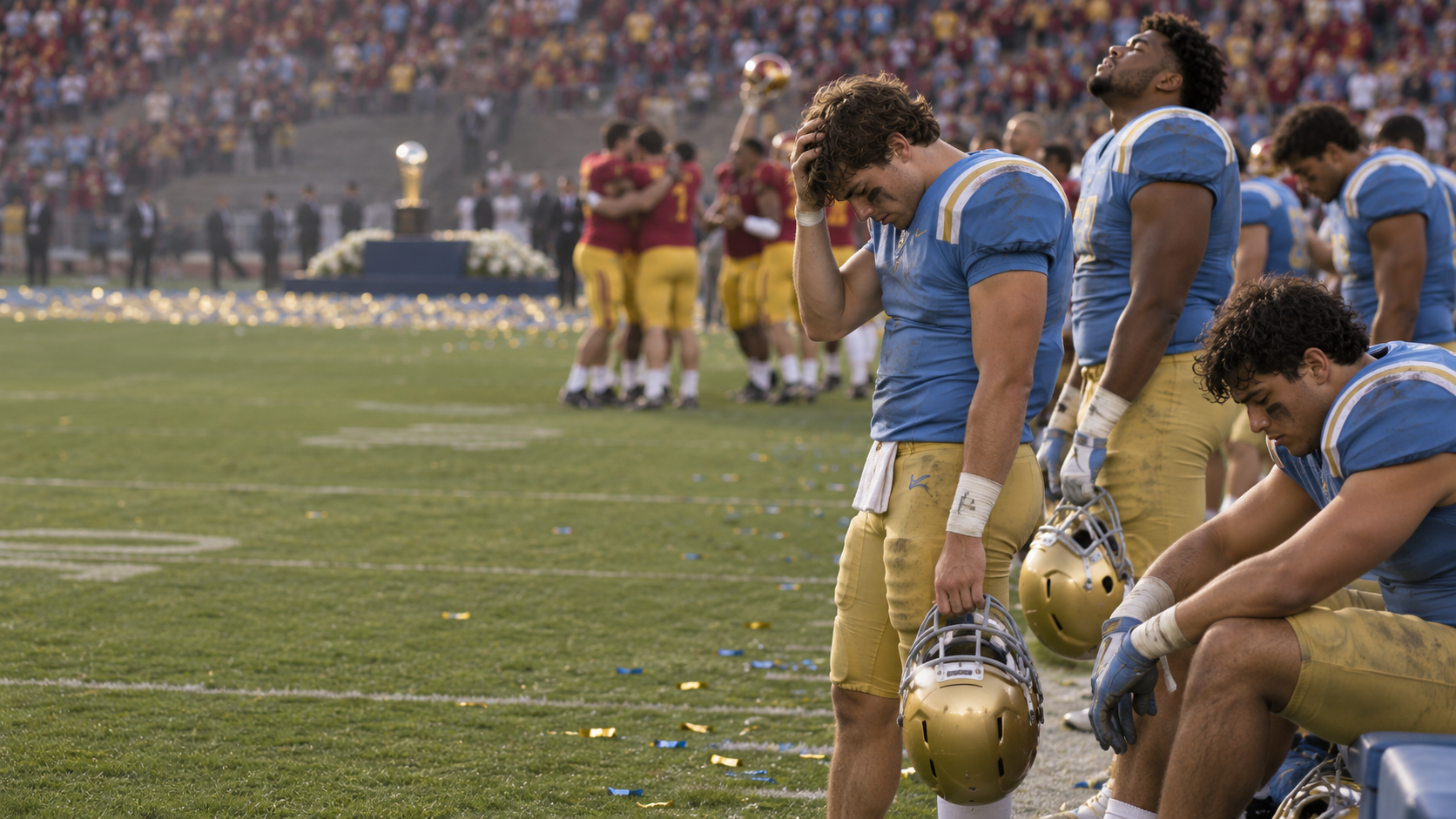 UCLA Reaches Big Ten Title Game After USC Blowout
-
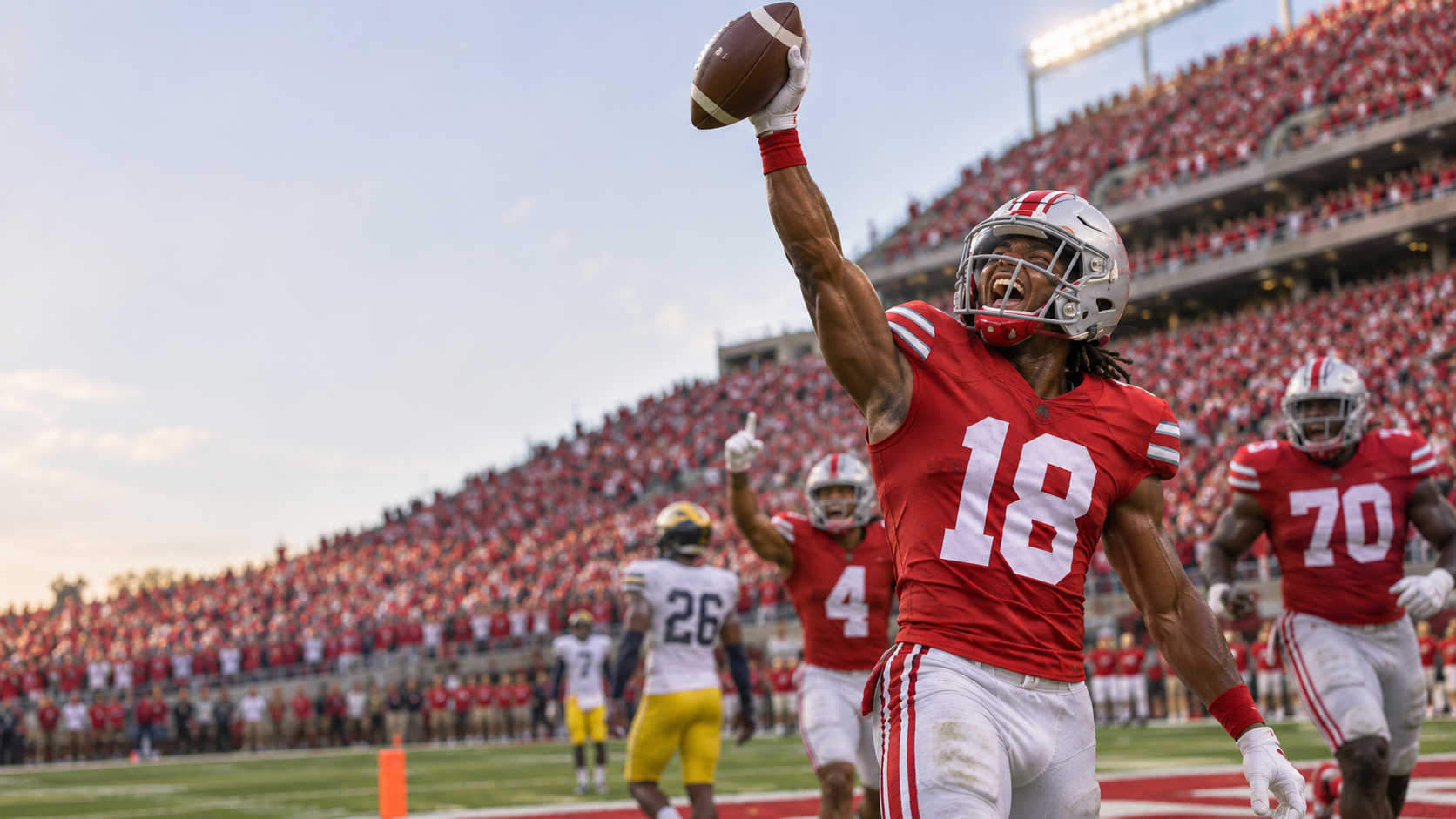 Jeremiah Smith Breaks Desmond Howard's Big Ten Record
-
 Should Michigan Fire Kyle Whittingham?
-
 Indiana and UCLA Set for Final Discover Big Ten Championship
-
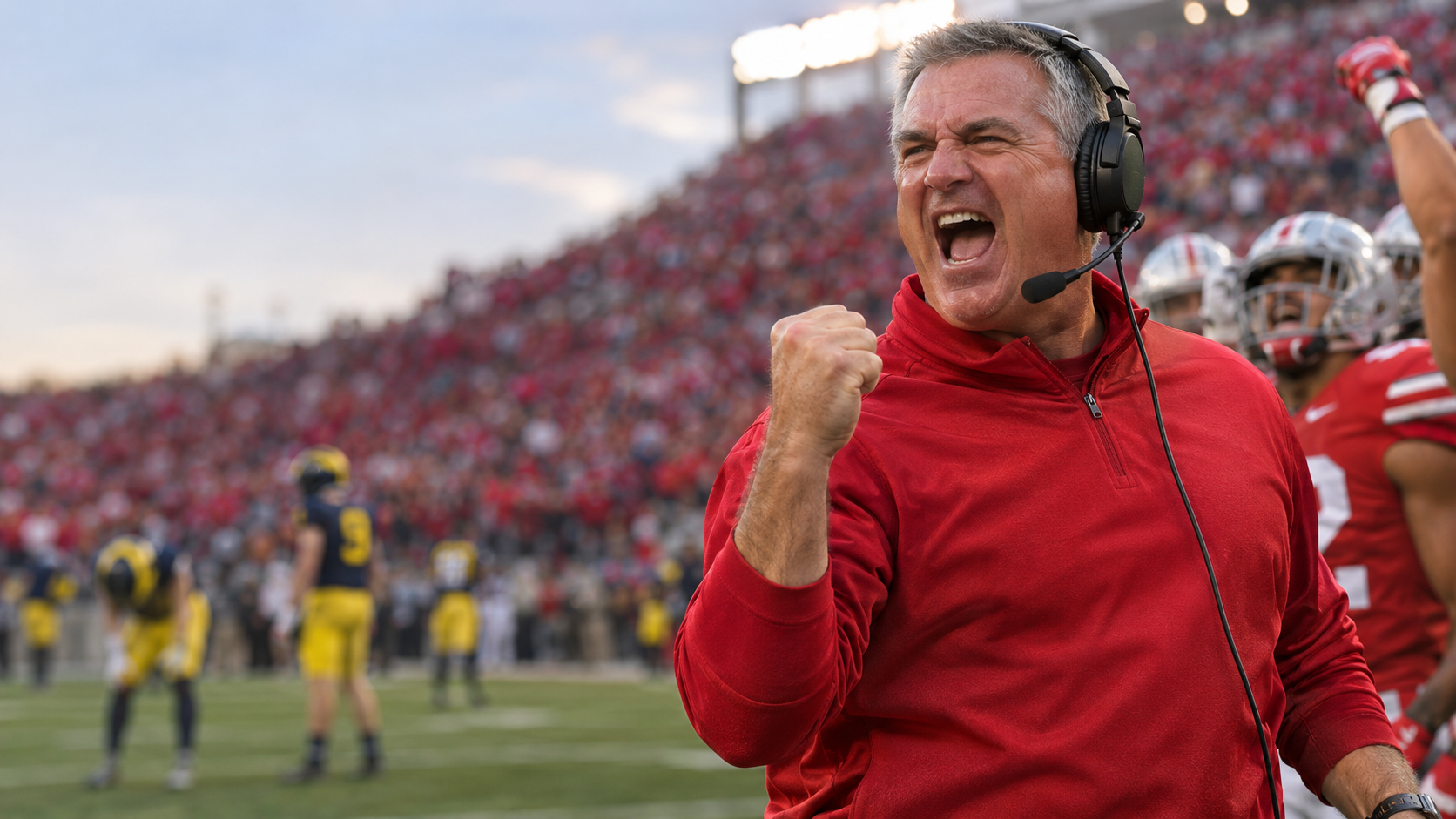 Ryan Day’s Reported Michigan Quote: What Is Verified
-
 Why Antonelli Was Unhappy After Qatar Qualifying
-
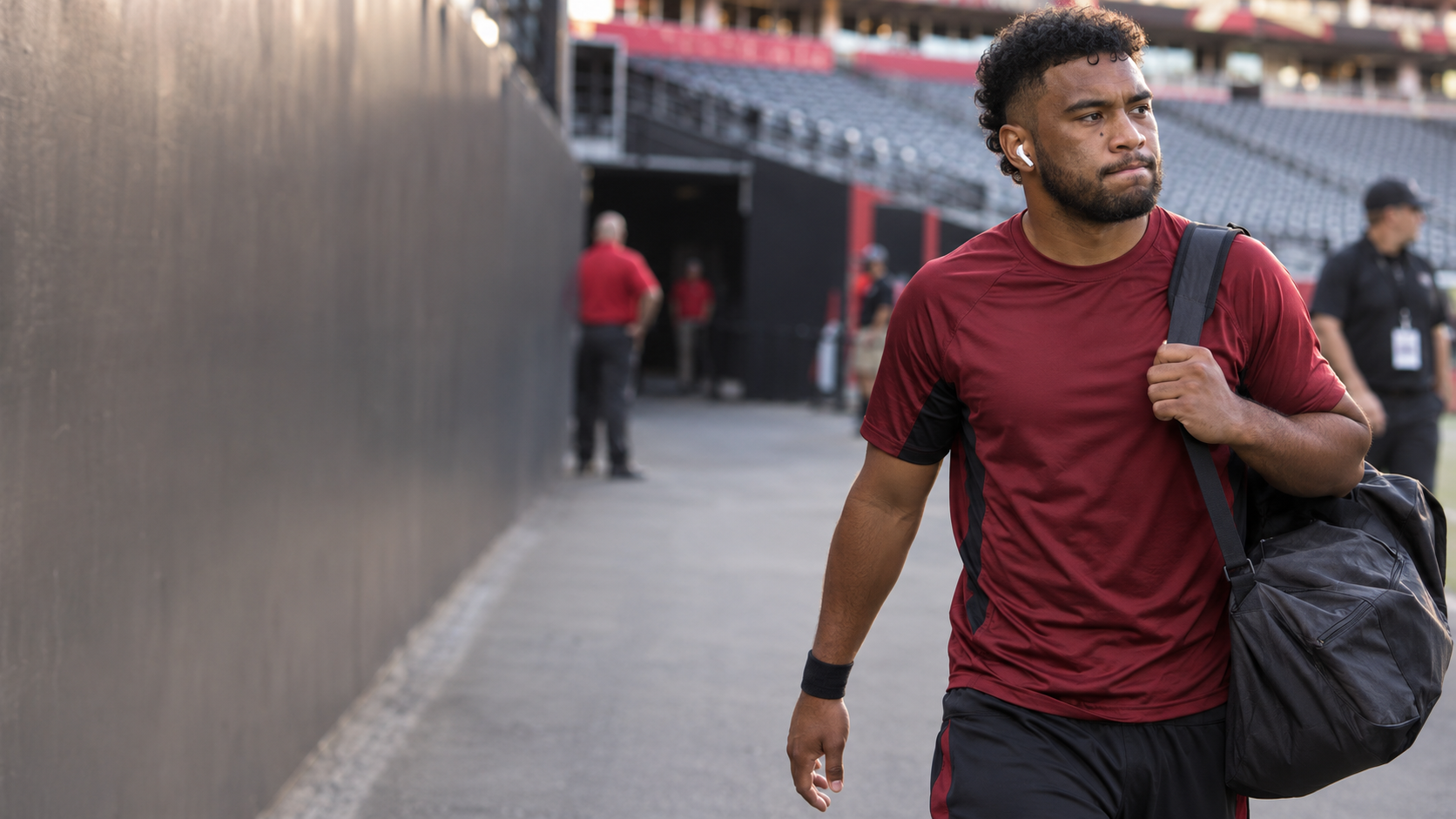 Falcons Release Tua Tagovailoa After Brief Stint
-
 Mason Rudolph Appears to Back Mike McCarthy
-
 Mason Rudolph and the Steelers’ Rodgers Fallout