Ukraine Says Five Jets Damaged at Savasleyka Airbase
Ukraine Says Five Jets Damaged at Savasleyka Airbase
Ukraine says a strike damaged five Russian military jets at Savasleyka airbase, a facility east of Moscow. The claim was reported by the BBC, Yahoo News UK, and Pajhwok Afghan News on November 25 and 26, 2026. The reports repeat the figure of five damaged aircraft, but they do not independently verify the number or explain the severity of the damage.
Three outlets, two publication dates, one figure. The BBC report appeared on November 25, 2026, and the Pajhwok Afghan News report on November 26, 2026, while the Yahoo News UK item is dated November 26, 2026. All three attribute the claim to Ukraine or Kyiv rather than presenting it as their own finding. That shared attribution is the single most important detail in the supplied material: it tells the reader who is asserting the number, and it marks the limit of what the reporting establishes.
What Ukraine Reported
The available reports say that five Russian military aircraft were damaged at Savasleyka. They do not establish whether the aircraft were destroyed, whether they were operational before the attack, or whether they can be repaired.
The available material does not identify:
- The aircraft models.
- The weapon used.
- The exact time of the attack.
- Whether the aircraft were parked or under maintenance.
- Russian military or civilian casualties.
- The cost or severity of the damage.
- Whether any aircraft were permanently removed from service.
The accurate formulation is therefore that Ukraine says five jets were damaged. Repeated publication of the claim does not constitute independent confirmation if the outlets relied on the same original statement.
Claim, attribution, and confirmation
A claim restated by three outlets is three attestations of the claim, not three independent observations. Conflict reporting often moves in this pattern: a party to the conflict announces a result, wire services and broadcasters carry the announcement, and each later item cites the same originating statement. The figure stays stable across coverage because it comes from one source, not because several newsrooms checked it separately.
The supplied items fit that pattern. They agree on the number, the target type, and the location, and they agree in assigning the assertion to Ukraine. None of them is described as having obtained imagery, a Russian response, or a technical assessment. Consistency across the three reports therefore confirms what Ukraine said, not what happened at the airfield.
A second distinction matters for reading the word “damaged.” In military aviation, damage can mean anything from cosmetic scarring to structural harm that grounds an airframe for months. A report that gives only a count, without type, location on the aircraft, or repairability, supports no conclusion about how many aircraft left service or for how long.
Why Savasleyka Matters
Savasleyka has been described in the supplied reporting as a Russian military airbase east of Moscow and a base associated with MiG-31 fighter jets. Those aircraft have also been linked to Russia’s Kinzhal missile operations.
If the reported damage is confirmed, the attack could affect aircraft availability, maintenance schedules, or the security of Russian rear-area bases. Damage to aircraft does not necessarily mean an immediate or lasting reduction in Russia’s missile capability.
The sources do not confirm that the five damaged aircraft were MiG-31s or Kinzhal-capable platforms. They also provide no evidence that the incident disrupted Kinzhal launches or other Russian operations.
What the MiG-31 and Kinzhal association does and does not establish
The relevance of Savasleyka rests on one reported link: the base has been identified as a home base for MiG-31 fighters, and those aircraft are described as capable of carrying Kinzhal missiles. That link explains why a strike on this particular airfield would attract attention, since a base hosting a specific aircraft type is more consequential to the reader than an unnamed facility.
The link does not transfer automatically to the strike. Knowing that a base hosts a type of aircraft is not the same as knowing which aircraft stood on the apron on the night of the attack, whether those aircraft were mission-capable, or whether any of them were hit. The supplied material identifies no aircraft models among the five reported as damaged. Nor does it place any Kinzhal-capable aircraft at the base at the time.
Squadrons also move. Aircraft rotate between bases for maintenance, training, and dispersal, and an airfield can host visiting units. Without the aircraft types and a before-and-after record of what was present, the association with MiG-31s is background about the facility, not evidence about the damage.
Potential Military Implications
Airbases are valuable targets because they combine aircraft, fuel, maintenance facilities, weapons handling, logistics, and command functions. Even aircraft that are not destroyed may require inspections or repairs, temporarily reducing sortie capacity.
Possible consequences include:
- Aircraft transfers to other bases.
- Increased dispersal or concealment.
- Additional air-defense deployments.
- Repairs to aircraft or support equipment.
- Changes to flight or missile-launch schedules.
These remain potential consequences rather than confirmed outcomes. The available sources do not show whether Savasleyka stopped operating, whether aircraft were moved, or whether Russia changed its operational patterns.
A separate Yahoo News UK headline reported ballistic missiles striking a shopping centre in Kyiv while discussing the Savasleyka claim. Source 3 The supplied information does not establish that the two events were connected.
Two headlines appearing in one item is a packaging decision, not a finding of cause and effect. Readers should treat the Kyiv strike report and the Savasleyka claim as separate threads unless a source explicitly links them. The supplied material contains no such link.
On the base itself, the mechanism to watch is sortie generation rather than the raw count of damaged airframes. A grounded aircraft consumes inspection hours, spare parts, and hangar space even when it is repairable, and repairs compete with routine maintenance across the fleet. That effect is plausible and is also unmeasured here: no source describes repair queues, spare-part availability, or the number of serviceable aircraft remaining at the base.
Verification Challenges
The claim remains unresolved because the supplied reports do not include independent imagery, detailed Russian statements, or assessments from conflict-monitoring organizations. Military facilities can also be difficult to assess because aircraft may be moved, concealed, repaired, or misidentified.
Evidence that could strengthen or weaken the claim includes:
- Before-and-after satellite imagery.
- Geolocated photographs or videos.
- Consistent imagery from independent sources.
- Official Russian confirmation or denial.
- Independent assessments identifying damaged aircraft.
- Later evidence showing aircraft removed from service or sent for repairs.
Any assessment should account for routine aircraft movements, camouflage, shadows, decoys, and aircraft that were already absent before the reported strike.
A practical checklist for later reporting
- Identify who is asserting the number. If a new report cites Ukraine, Kyiv, or another outlet rather than new evidence, the claim has not advanced.
- Look for a change in the count. A revised figure from the originating side, or a Russian statement naming a different number, is new information; a repeated five is not.
- Check for imagery with a date. Satellite passes before and after the reported strike are the strongest open-source test, provided the frames can be tied to the same parking spots.
- Separate the airframe from the mission. Even confirmed damage to aircraft on the ground leaves open whether those aircraft were assigned to the missile operations associated with the base.
- Watch the base’s activity, not just its hardware. Sustained flight activity, or its absence, over the following weeks speaks to operational effect more directly than a damage count.
- Expect silence to be uninformative. The supplied material includes no Russian confirmation or denial, so an absence of comment cannot be read as either.
Conclusion
Ukraine says an attack damaged five Russian jets at Savasleyka airbase east of Moscow. Several outlets reported the claim, but the available material does not independently verify the number of aircraft, their models, or the extent of the damage.
Savasleyka may be strategically important because it is associated with MiG-31 aircraft and reported Kinzhal missile operations. However, no evidence supplied here proves that Kinzhal-capable aircraft were damaged or that Russian missile operations were disrupted. The military impact will depend on satellite imagery, official statements, independent assessments, and observable changes in Russian aircraft activity.
Frequently Asked Questions
What happened at Savasleyka airbase?
Ukraine said a strike damaged five Russian military jets at the airbase, which is located east of Moscow. The claim remains independently unverified in the supplied reporting.
Were the five jets destroyed?
No. The reports say the jets were damaged, not destroyed. Their condition and repairability are unknown.
Why is Savasleyka important?
The airbase has been associated with MiG-31 fighter jets, which reporting links to Russia’s Kinzhal missile operations.
Were Kinzhal-capable aircraft damaged?
The supplied sources do not identify the aircraft types or confirm that Kinzhal-capable jets were among those reportedly damaged.
Has Russia confirmed the damage?
The supplied summaries do not include a Russian confirmation or denial.
Does coverage by several outlets confirm the claim?
No. The BBC, Yahoo News UK, and Pajhwok Afghan News all attribute the figure to Ukraine. Repetition across outlets shows the claim circulated widely, not that it was independently checked.
What evidence would verify the claim?
Useful evidence would include satellite imagery, geolocated visual material, credible official statements, and independent assessments identifying the damaged aircraft and their operational status.
Related Articles
-
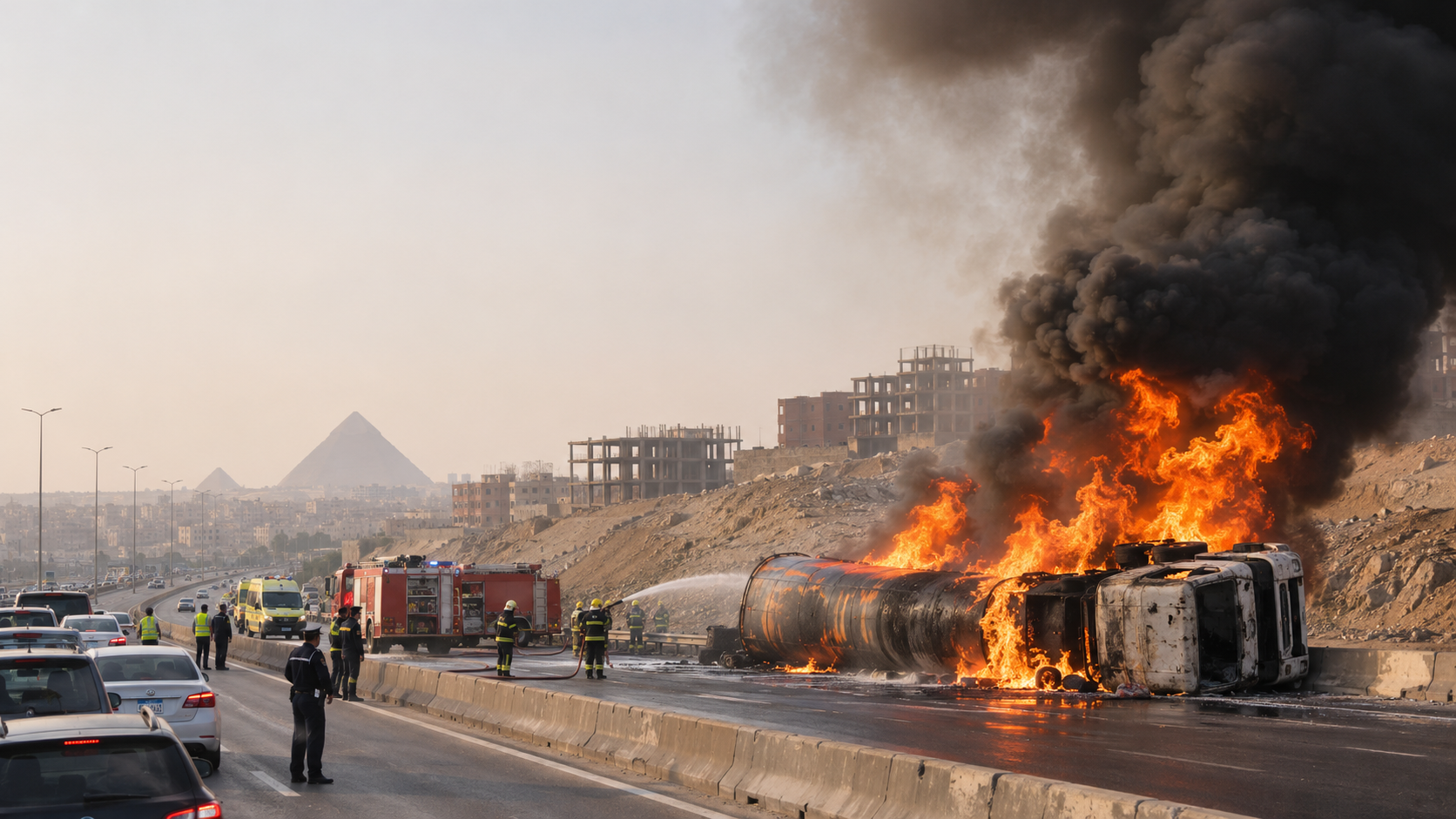 Egypt Highway Fire Kills at Least 31 Near Cairo
-
 China and U.S. Partners Resist Trump Tariff Plans
-
 UK Net Migration Falls to Lowest Level Since 1997
-
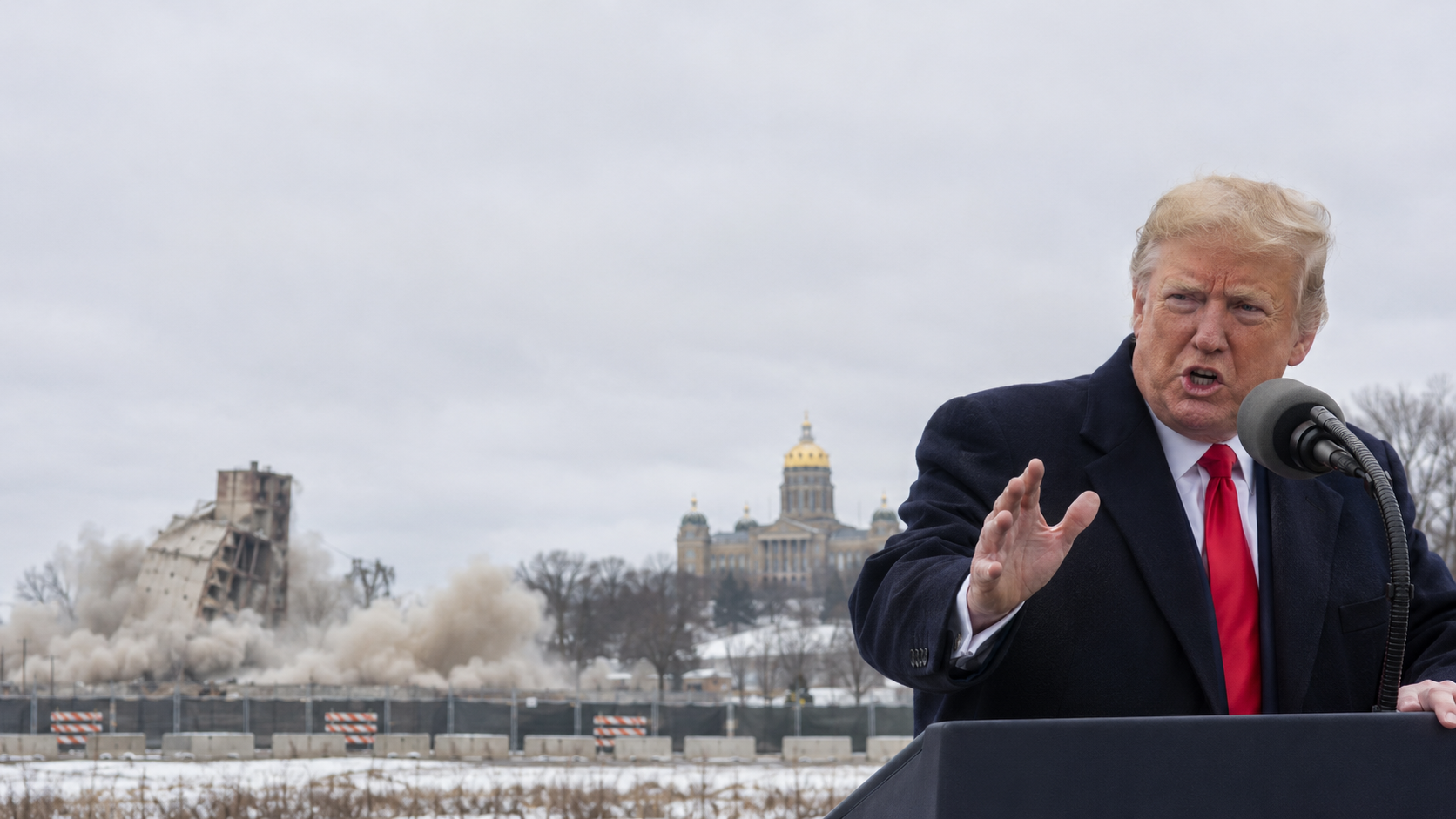 Trump Criticizes Iowa Governor-Elect Sand Over Lead Blast
-
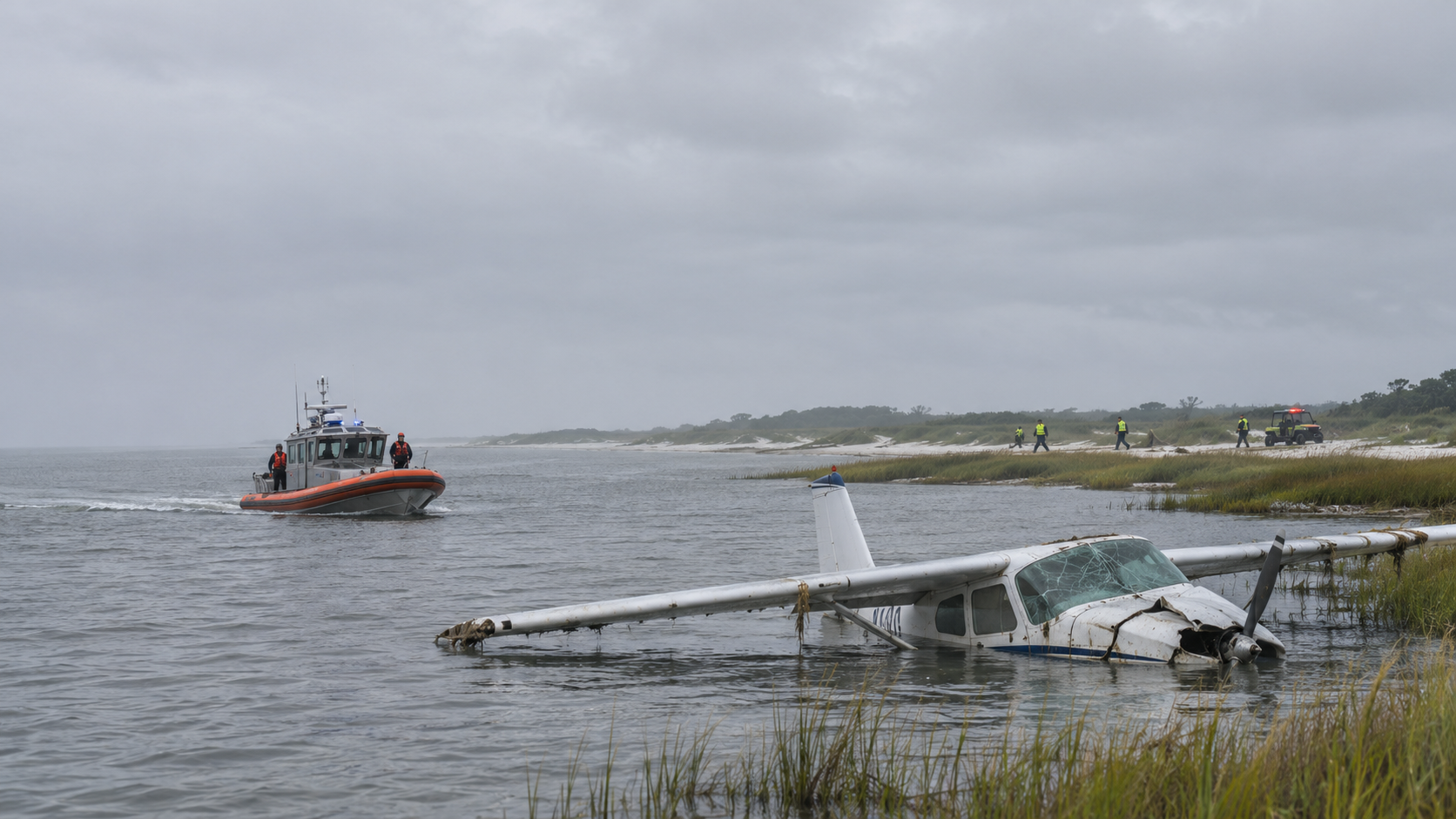 Six Killed in Mississippi Coast Plane Crash Near Horn Island
-
 Judge Declines Long-Term Ban on Pro-Trump Ads
-
 Macy’s Thanksgiving Parade Postponed for the First Time
-
 Trump Tariffs Could Restore Pre-Supreme Court Rates
-
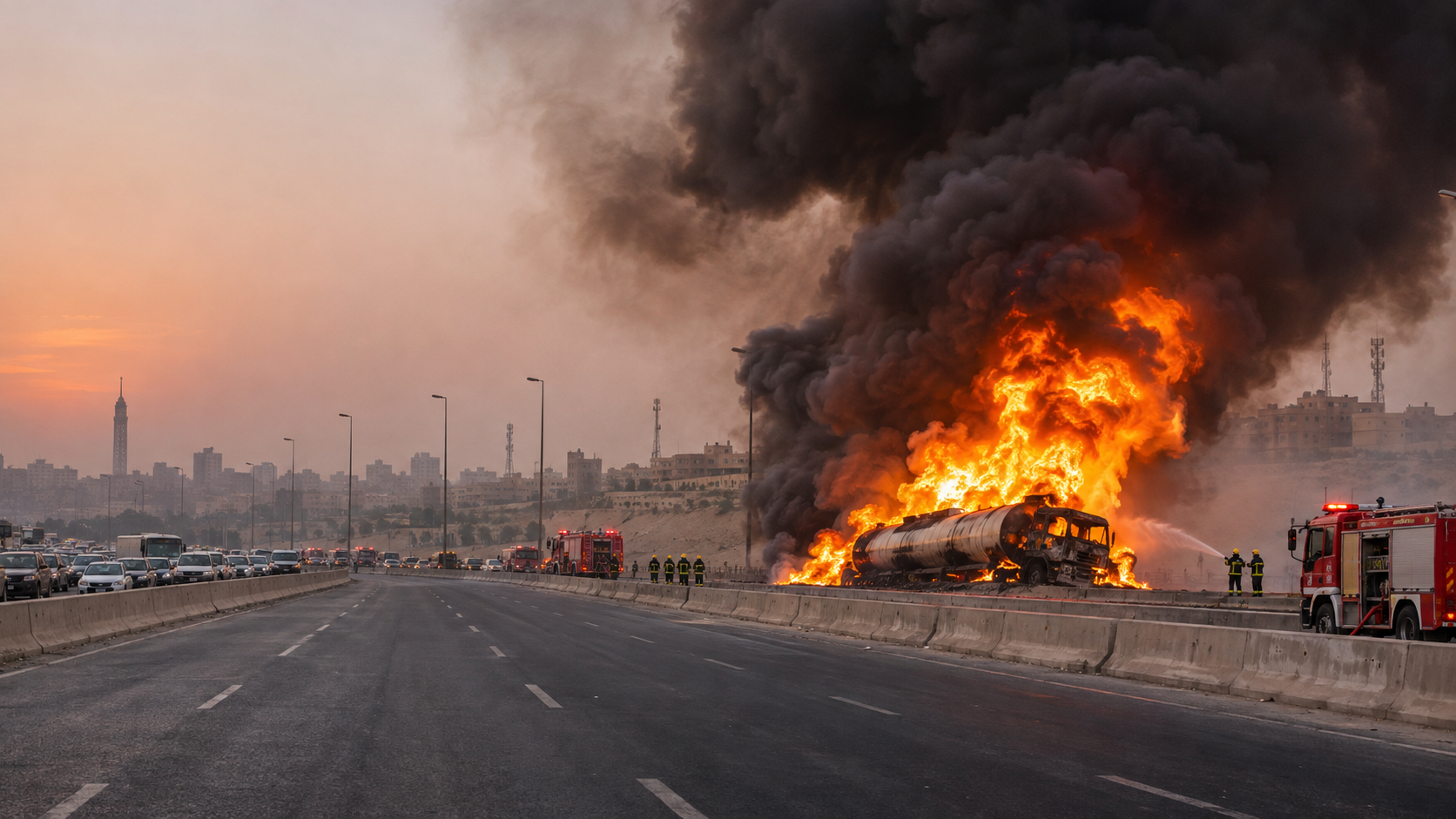 Cairo Highway Tanker Fire Kills at Least 31
-
 What the Proposed UK–EU Deal Could Restore After Brexit
-
 Netanyahu Trial: What Is Confirmed and Unclear
-
 ICE Arrest Follows Massachusetts Man’s $1M Lottery Win
-
 Pacifica Flood Cleanup Begins After Coastal Wave Damage
-
 Bad Weather Postpones Macy’s Thanksgiving Day Parade
-
 Judge Blocks FCC License Action Against ABC
-
 Macy's Thanksgiving Parade Postponed to Saturday