NASA-SpaceX Cygnus XL Mission to the ISS
NASA-SpaceX Cygnus XL Mission to the ISS
NASA, SpaceX and Northrop Grumman supported another reported cargo mission to the International Space Station (ISS). Northrop Grumman’s Cygnus XL spacecraft launched aboard a SpaceX Falcon 9, carrying supplies, equipment and research-related cargo for the station’s crew and operations.
Available reports identify the mission as SpaceX NG-25 and report a payload of approximately 11,000 pounds. One launch announcement listed a planned launch time of 10:47 a.m. However, the available material does not confirm the final launch status, exact launch complex, docking timeline or complete cargo manifest. These details should be verified through official NASA or Northrop Grumman documentation before publication.
What Happened During the Mission?
Falcon 9 Carried Cygnus Toward Orbit
SpaceX’s Falcon 9 served as the launch vehicle, transporting Cygnus from Florida toward low Earth orbit. Its role was to provide the thrust and orbital insertion needed for the uncrewed spacecraft to begin its journey to the ISS.
Cygnus and Falcon 9 perform different functions:
- Falcon 9: Provides launch power and places the spacecraft into orbit.
- Cygnus: Carries supplies, equipment and research materials to the station.
- NASA: Coordinates ISS cargo requirements and mission objectives.
- Northrop Grumman: Provides and supports the Cygnus spacecraft.
The available reports consistently identify the mission as an ISS resupply flight. They also associate it with a reported payload of approximately 11,000 pounds. The exact contents of that payload require confirmation through official mission records.
What Cygnus Delivers to the ISS
Cygnus is an uncrewed cargo spacecraft designed to support the station’s logistics network. Typical cargo categories include:
- Food and personal supplies for astronauts
- Clothing and hygiene products
- Scientific equipment and experiment hardware
- Tools and maintenance materials
- Replacement components
- Station operations supplies
- Packaging and other logistical materials
One report mentioned holiday treats among the cargo. Such items can support crew morale, but they represent only a small part of the spacecraft’s broader logistics role.
Cargo missions can combine immediate crew needs with hardware for future research and maintenance. This flexibility helps station managers use each resupply flight efficiently.
Cygnus XL and Northrop Grumman’s Role
Northrop Grumman provides the Cygnus spacecraft and supports its cargo mission. Its responsibilities include spacecraft preparation, cargo integration and mission operations.
The available reports identify the spacecraft as Cygnus XL and associate it with a payload of approximately 11,000 pounds. They do not provide confirmed dimensions, internal volume or a complete technical specification. The XL designation should therefore not be expanded into unsupported performance claims.
A higher-capacity configuration can allow more cargo to be combined on a single flight, potentially simplifying logistics planning. The specific capabilities and benefits of Cygnus XL should be assessed using Northrop Grumman’s technical documentation.
SpaceX’s Falcon 9 and the Commercial Cargo Model
SpaceX provided the Falcon 9 launch service, while Northrop Grumman provided the cargo spacecraft. NASA coordinated the ISS delivery requirements and station objectives.
This arrangement illustrates NASA’s commercial cargo model. The agency purchases transportation services from private companies rather than managing every rocket and spacecraft directly. Regular commercial missions can provide:
- Additional launch opportunities
- Shared operational responsibilities
- Experience across multiple aerospace providers
- Continued support for ISS logistics
- Operational lessons for future low Earth orbit missions
The available reports do not identify the specific Falcon 9 first-stage booster or confirm recovery details. Those points should not be added without an authoritative mission record.
How a Cygnus Mission Reaches the ISS
A typical mission follows several broad stages:
- Falcon 9 lifts off from Florida.
- The rocket places Cygnus into orbit.
- Cygnus activates its systems and begins orbital operations.
- The spacecraft performs maneuvers to match the ISS orbit.
- The station’s Canadarm2 robotic arm captures Cygnus.
- Controllers guide the spacecraft into position for attachment to the station.
- Astronauts unload the cargo over an extended period.
These are standard Cygnus procedures, not confirmed details for every individual flight. The supplied reports do not establish the exact capture time, docking status, departure date or disposal activity for NG-25.
After its cargo is removed, Cygnus can be loaded with waste and unwanted materials before conducting a planned destructive reentry. The actual schedule for those activities requires confirmation through official mission updates.
Why the Mission Matters
The ISS depends on recurring cargo flights for food, equipment, research materials and replacement parts. Reliable deliveries reduce the risk of shortages and support ongoing scientific and maintenance work.
The reported payload of approximately 11,000 pounds represents a significant movement of material from Earth to low Earth orbit, although the final delivered mass and manifest require independent verification.
The mission also demonstrates how NASA, SpaceX and Northrop Grumman combine their capabilities. NASA manages the transportation requirement, SpaceX supplies the rocket and Northrop Grumman supplies the cargo spacecraft. Repeated flights help refine commercial transportation procedures and support future low Earth orbit platforms.
Key Mission Facts
| Category | Reported detail |
|---|---|
| Mission | SpaceX NG-25 |
| Spacecraft | Cygnus XL |
| Spacecraft provider | Northrop Grumman |
| Launch vehicle | SpaceX Falcon 9 |
| Destination | International Space Station |
| Reported cargo | Approximately 11,000 pounds |
| Mission purpose | Cargo and supplies for the ISS crew and station operations |
| Launch location | Florida, according to available reports |
The available material does not reliably establish the exact launch complex, final launch time, docking status or complete cargo manifest. The reported 10:47 a.m. launch time appears in an announcement, but its status as a scheduled or completed event should be verified.
Frequently Asked Questions
What is the Cygnus spacecraft?
Cygnus is an uncrewed cargo spacecraft provided and supported by Northrop Grumman. It delivers supplies, research equipment, maintenance hardware and other materials to the ISS.
What rocket launched Cygnus?
Available NASA and launch reports identify SpaceX’s Falcon 9 as the launch vehicle. The reports state that it launched from Florida.
What was the purpose of NG-25?
NG-25 was identified as an ISS resupply mission intended to deliver crew supplies, research materials and station hardware.
How much cargo did Cygnus XL carry?
The available launch announcement reported approximately 11,000 pounds of cargo. The final delivered mass and detailed manifest require confirmation through NASA or Northrop Grumman documentation.
Who operates Cygnus?
Northrop Grumman provides and supports the Cygnus spacecraft. SpaceX provides the Falcon 9 launch service, while NASA coordinates the ISS cargo mission and station requirements.
Why are Cygnus missions important?
Cygnus missions help maintain the ISS by delivering food, equipment, experiments, tools and replacement parts. They also provide experience for future commercial transportation and station operations in low Earth orbit.
Conclusion
The reported NASA-SpaceX-Northrop Grumman mission combined NASA’s ISS logistics program, SpaceX’s Falcon 9 launch service and Northrop Grumman’s Cygnus XL cargo spacecraft.
The mission was reported to carry approximately 11,000 pounds of supplies and equipment for the ISS. Crew provisions, research hardware, maintenance materials and station supplies all support the station’s continued operations.
NG-25 illustrates the practical value of commercial cargo transportation. Regular resupply missions keep astronauts supplied, support research and strengthen the systems needed for sustained activity in low Earth orbit.
Related Articles
-
 Last Chance to See the Planet Parade: A Local Guide
-
 DART Reshaped Dimorphos and Revealed a Major Surprise
-
 Why Does a Magnet Make a Candle Flame Move?
-
 How Moon Dust and Cardboard Could Build Lunar Bases
-
 Caltech’s 90-Year JPL Role Faces New Scrutiny
-
 SpaceX Scrubs Space Force Data-Network Launch
-
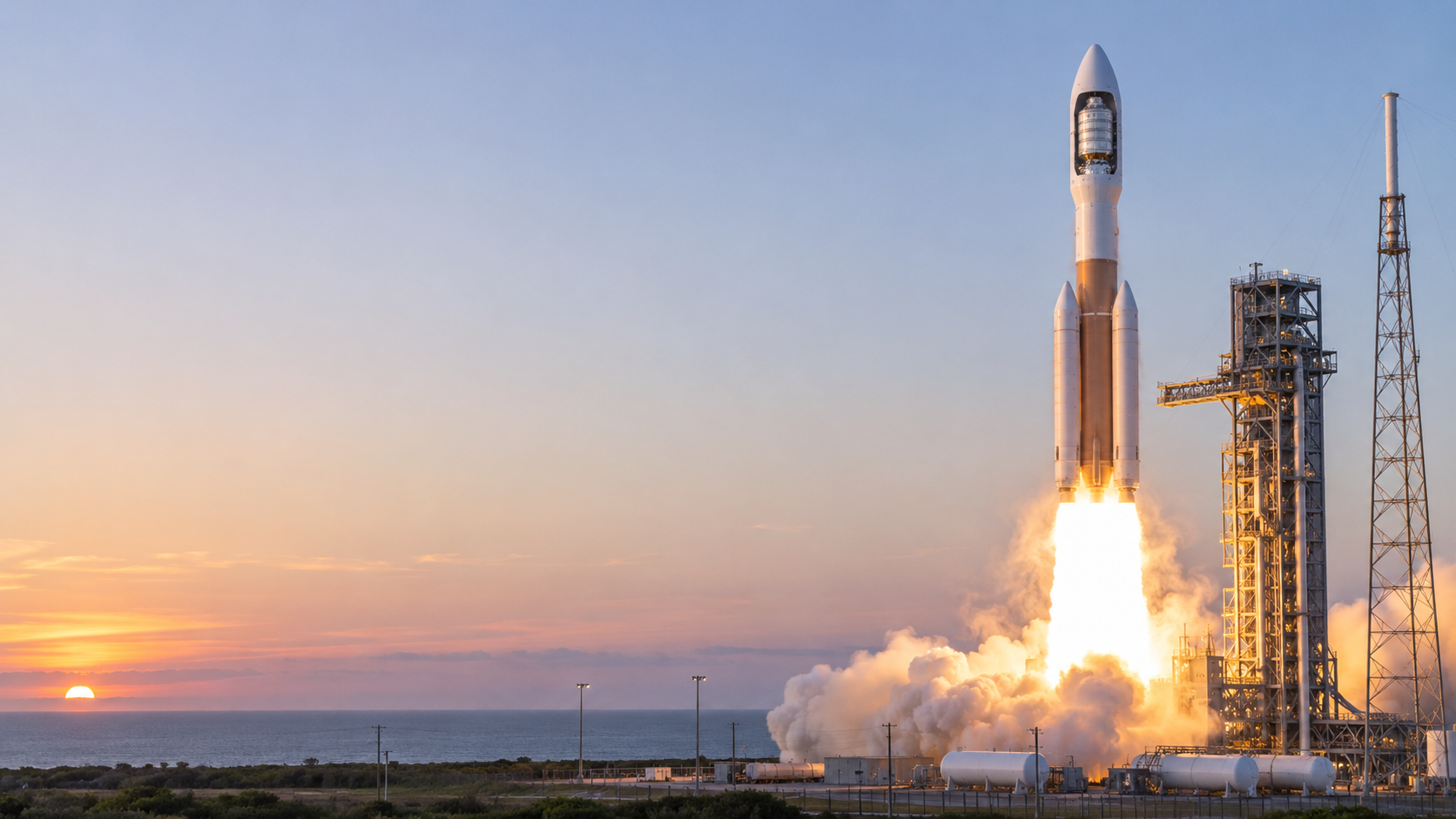 Cygnus Launch Live: NASA, SpaceX, and ISS Cargo Mission
-
 Sutherland and Exoplanet Radio Signals Explained
-
 Prospector's Rock Was a 4.6-Billion-Year-Old Meteorite
-
 Giant Deep-Space Structure Tests Cosmological Models
-
 Mammoth Fossils Reported Near Lafayette, Louisiana
-
 Hera Reveals DART’s Stadium-Sized Crater on Dimorphos
-
 Denisovan Teeth in Southern China May Reveal New Lineage
-
 How Contractility Controls Cardiomyocyte Regeneration
-
 Could Dark Matter Have Its Own Periodic Table?
-
 Ancient Skull Offers Clues to Bone-Cracking Hyena Evolution