Gold Prices and Disease Outbreaks: What Evidence Shows
Gold Prices and Disease Outbreaks: What the Evidence Shows
Rising gold prices can create economic opportunities for miners, traders, and investors. They can also increase pressure on forests, rivers, remote communities, and already strained healthcare systems.
Reports cited in the supplied material claim that surging gold prices are contributing to deadly disease outbreaks worldwide (Source 1; Source 3). However, the available summaries do not identify the diseases, locations, case counts, or studies proving direct causation.
The narrower and more defensible conclusion is that higher gold prices may encourage mining expansion, while some forms of expansion can create conditions associated with infectious-disease transmission. That is a plausible public-health pathway, not proof that a price increase caused a particular outbreak.
Why Gold Prices Matter to Public Health
When gold becomes more valuable, mining may become profitable in places previously considered too remote, dangerous, or expensive to operate. Higher prices may encourage:
- New mining activity.
- Longer working hours.
- Reopening abandoned sites.
- Informal or illegal extraction.
- Expansion into forests and remote areas.
- Greater movement of miners, traders, vehicles, and equipment.
The potential chain is straightforward:
- Higher prices increase the incentive to mine.
- Mining changes land, water, housing, and worker behavior.
- Those changes may increase exposure to pathogens or disease vectors.
- Weak surveillance and healthcare systems may allow localized infections to spread.
A gold-price increase does not automatically cause an outbreak. Transmission depends on the pathogen, local ecology, population movement, sanitation, healthcare access, and timing.
What the Available Reporting Shows
Source 1 uses a headline claiming that a surge in gold prices is fueling deadly disease outbreaks worldwide (Source 1). The supplied summary contains no article text or supporting details.
Source 3 makes a similar claim about rising gold prices and deadly disease outbreaks (Source 3). Its supplied summary also provides no disease names, locations, timeframes, epidemiological data, or causal explanation.
Several other supplied items are unrelated. Source 2, titled “gil vicente,” contains only “100+.” Source 4, titled “taiwan elections,” contains “500+.” Source 6, titled “f1,” contains “1000+.” Source 8, titled “sevilla,” contains “100+.” Source 10, titled “psis semarang,” contains “2000+.” None provides health, mining, environmental, or epidemiological evidence.
Source 5 is a weather forecast for Western New York and is unrelated to mining or disease outbreaks (Source 5). Source 7 concerns political donations (Source 7), and Source 9 reports a professional athlete’s hamstring injury (Source 9). Neither supports the health claim.
How Mining Can Increase Disease Risk
Remote and Forested Mining Areas
Mining frontiers often have limited healthcare, clean water, sanitation, disease surveillance, and laboratory capacity. Remote operations can delay diagnosis and treatment. Workers with fever may receive informal treatment or continue working instead of being tested.
Worker mobility can connect extraction sites with trading centers, border crossings, transport hubs, and urban markets. This may broaden the area in which an infection circulates, but mobility alone does not prove transmission.
Human–Animal Contact
Forest clearing, excavation, and camp construction can disturb habitats used by mosquitoes, ticks, rodents, bats, and other wildlife. Workers may enter areas with little previous human activity, while displaced wildlife may move closer to camps.
A credible zoonotic conclusion requires a confirmed pathogen, a plausible reservoir, a documented exposure route, and epidemiological links between cases.
Standing Water and Mosquitoes
Mining pits, drainage changes, and abandoned excavation areas can collect water. Under suitable conditions, these pools may provide breeding habitat for mosquitoes. Risk depends on local species, climate, rainfall, vegetation, water quality, and human behavior.
Investigators need vector surveillance, confirmed human cases, geographic overlap, and evidence that infection patterns match seasonal conditions. A price chart or photograph of a mining pit cannot establish that connection.
Water Contamination and Sanitation
Mining can affect rivers and groundwater through sediment, fuel spills, untreated wastewater, processing chemicals, and heavy metals. Unsafe water and inadequate sanitation may contribute to gastrointestinal outbreaks, especially in crowded settlements.
Chemical exposure is a separate category. Mercury and other substances can cause serious toxic effects, but mercury poisoning is not an infectious outbreak. Claims about chemical harm require environmental testing, exposure measurements, and medical evidence.
Housing and Camp Conditions
Informal mining camps may develop without toilets, waste collection, safe drinking water, food storage, ventilation, or reliable healthcare. Temporary housing may become overcrowded as workers arrive.
If an infection enters such a camp, shared facilities and close living conditions can accelerate transmission. Poor conditions may also worsen outcomes by delaying treatment and making isolation difficult.
Diseases That Could Be Relevant
Potential risks vary by region and mining method. Broad categories include:
- Vector-borne infections: Mosquitoes, ticks, sand flies, and other vectors may transmit pathogens when mining changes habitats or increases exposure.
- Waterborne infections: Unsafe water and poor sanitation can contribute to gastrointestinal outbreaks.
- Zoonotic infections: Habitat disturbance and wildlife contact can create opportunities for pathogen spillover.
- Respiratory infections: Crowded housing and poor ventilation can facilitate respiratory transmission.
Dust, smoke, and chemical exposure can also harm respiratory health without causing an infectious outbreak. Public-health reporting must distinguish confirmed infections from occupational irritation and toxic exposure.
Evidence Needed to Prove a Link
A strong investigation should compare gold prices with mining permits, production levels, informal mining activity, deforestation, and settlement growth over a defined period and geographic area. Researchers must also account for rainfall, migration, conflict, road construction, commodity prices, government policy, and enforcement changes.
Public-health evidence should establish:
- The pathogen involved.
- Confirmed and suspected case numbers.
- Dates and locations of transmission.
- Hospitalization and case-fatality rates.
- Exposure histories.
- Comparisons with similar non-mining areas.
Useful environmental and epidemiological evidence includes vector-density surveys, water and soil testing, satellite-based land-use analysis, contact tracing, occupational histories, and pathogen genetic sequencing.
A credible conclusion requires several evidence types. A headline, anecdote, or price chart is not enough.
Who Faces the Greatest Risk?
Informal miners and mining-camp residents may face high exposure because they often work and live near unregulated sites with limited sanitation and healthcare. Children and other non-mining residents may share the same water, housing, and waste systems.
Nearby Indigenous and rural communities may face exposure through shared waterways, food systems, disrupted land use, traffic, and migration. Healthcare workers and local authorities may face sudden patient surges, limited diagnostic capacity, staff shortages, and difficult transport conditions.
How to Reduce Risk
Governments and mining companies can:
- Establish routine disease monitoring near active and abandoned mining sites.
- Train local health workers to identify unusual clusters.
- Connect remote clinics with laboratories and public-health agencies.
- Provide safe drinking water, functioning toilets, waste collection, ventilation, and less crowded housing.
- Secure abandoned pits and manage drainage.
- Monitor water quality and hazardous chemicals.
- Require environmental and health impact assessments.
- Use mobile clinics, vaccination services where appropriate, and multilingual information.
- Coordinate across districts and borders.
Services should reach informal and mobile workers regardless of legal status. Excluding these groups weakens outbreak detection.
What Consumers and Investors Should Know
Gold supply chains can affect more than investment returns and jewelry prices. Buyers and investors should examine traceability, environmental standards, labor protections, public-health safeguards, and independent audits.
Responsible sourcing cannot solve weak regulation, poverty, unsafe migration systems, or underfunded public health by itself. Transparent evidence remains essential.
Conclusion
Higher gold prices may intensify mining activity. Expanded mining can alter forests, water systems, settlement patterns, worker mobility, and human–animal contact. Those changes may create conditions associated with infectious-disease transmission.
The supplied reports do not establish which diseases were involved, where outbreaks occurred, how many people died, or whether gold prices were the primary driver (Source 1; Source 3).
The clearest takeaway is cautious: gold-price growth may intensify conditions associated with outbreaks, but public-health conclusions require verified epidemiological, environmental, and economic data.
FAQ
Can higher gold prices directly cause disease outbreaks?
No. Higher prices can increase mining activity and related exposures, but a causal claim requires evidence about the disease, location, timing, exposure route, and transmission pattern.
Which diseases are linked to gold mining?
Risks vary by region and mining method. Potential categories include vector-borne, waterborne, zoonotic, and camp-associated respiratory infections. The supplied sources do not identify a confirmed disease.
How can mining increase mosquito-borne disease risk?
Excavation and drainage changes can create standing water. Risk depends on mosquito species, climate, pathogens, seasonal conditions, and human behavior. Vector surveillance and confirmed case data are needed to verify the link.
Does mercury pollution cause infectious disease outbreaks?
Mercury is a toxic exposure, not an infectious pathogen. Mining pollution can cause serious health problems, but those effects require different evidence and interventions from an infectious outbreak.
Why are informal mining communities especially vulnerable?
They may have limited sanitation, crowded housing, remote locations, weak healthcare access, mobile populations, and incomplete disease reporting. These conditions can delay detection and increase transmission after an infection enters the community.
What can governments do to prevent mining-related outbreaks?
Governments can improve surveillance, provide safe water and sanitation, monitor environmental conditions, regulate mining practices, offer mobile healthcare, and coordinate across districts and borders.
Related Articles
-
 College Student's Fatigue Revealed Golf-Ball-Sized Brain Tumor
-
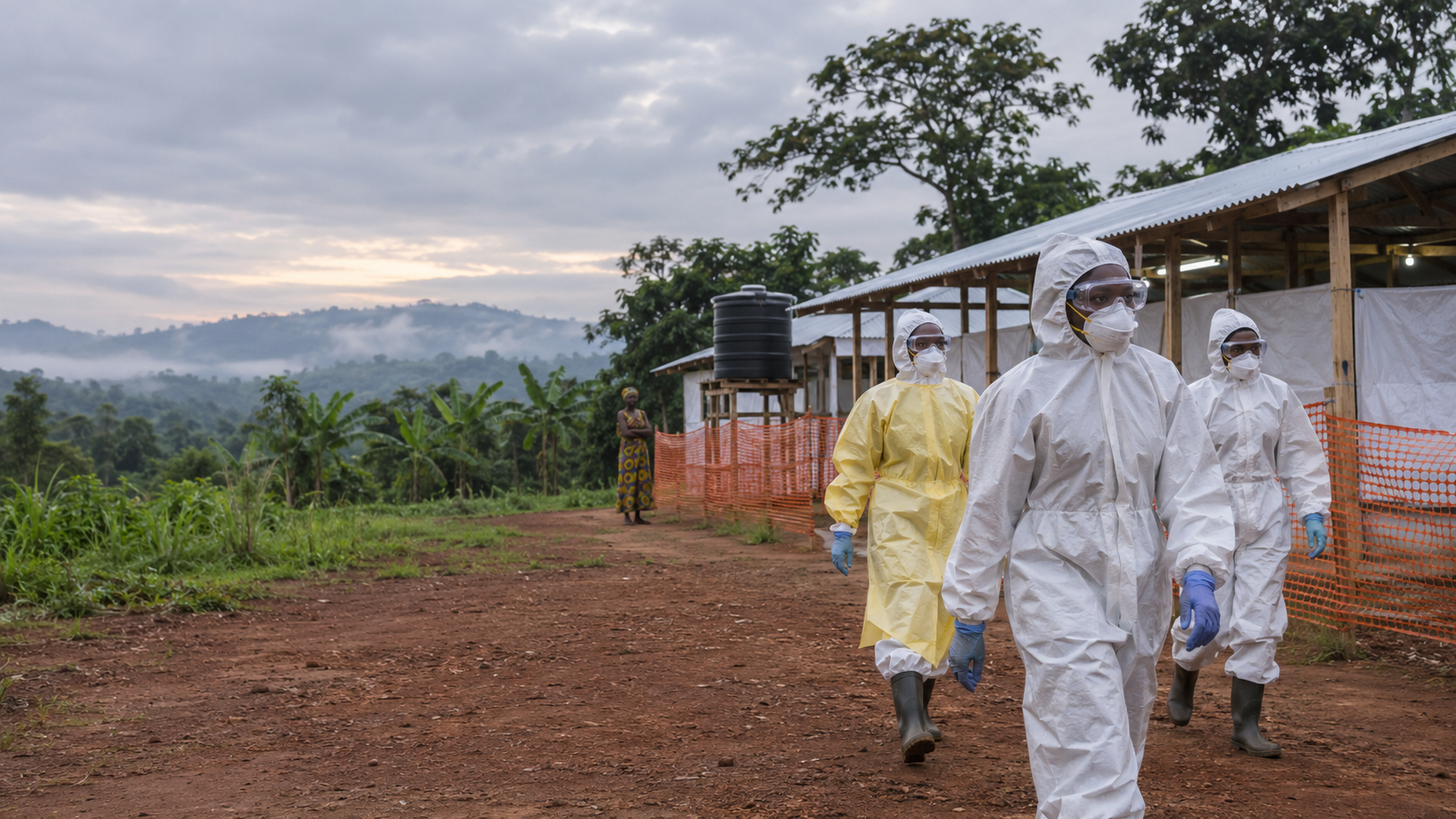 Ebola Deaths Reportedly Surpass 6,000 in DR Congo
-
 Coming Off the Pill: Choosing the Right Contraception
-
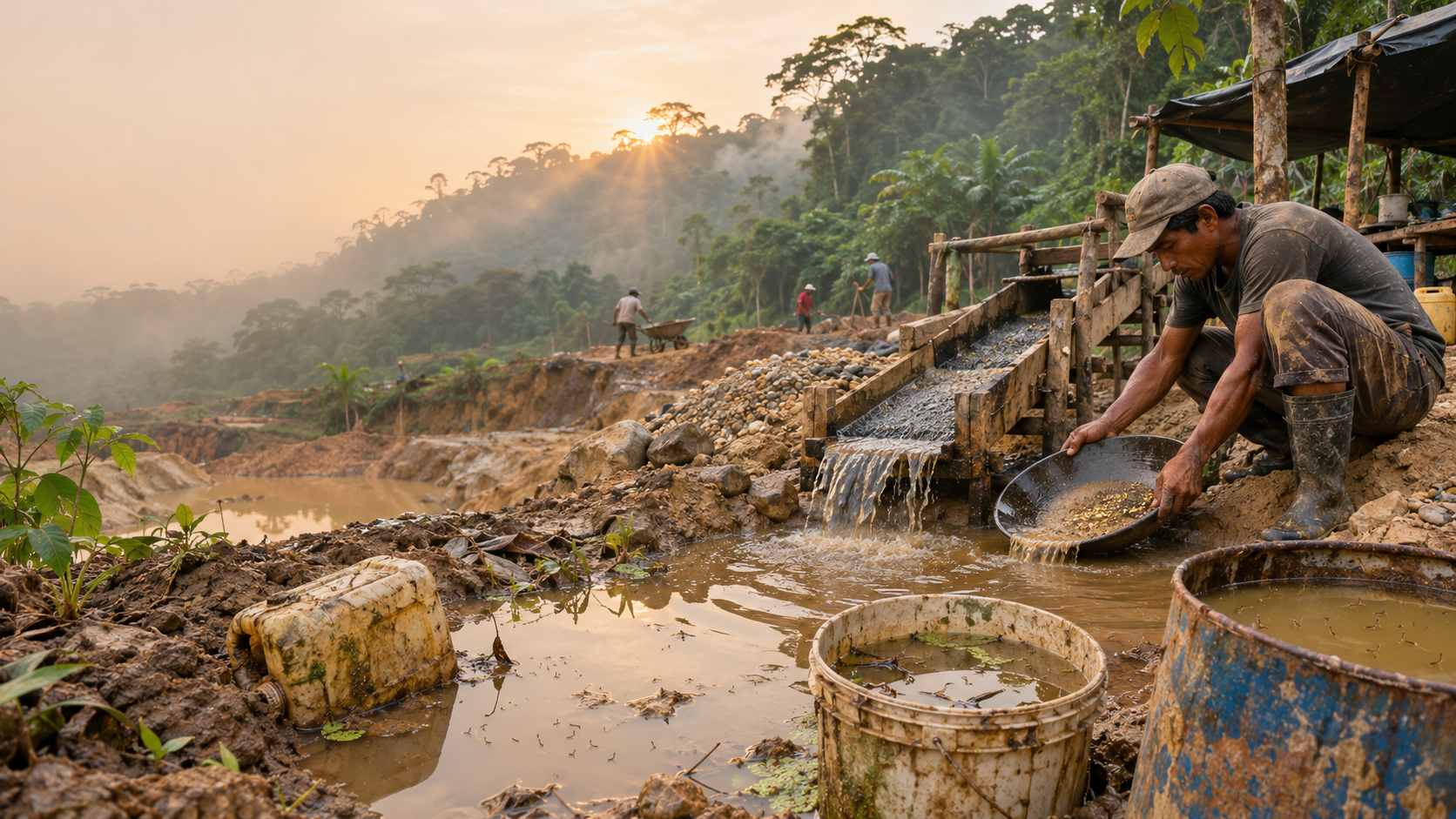 How Record Gold Prices May Increase Disease Risks
-
 Flu Shots: Who Should Get Vaccinated and Why
-
 North Texas Doctors Warn as Flu and RSV Cases Rise
-
 E. coli Outbreak Linked to Nursery Under Investigation
-
 Tracking Measles Cases in the United States
-
 Man With Alzheimer’s Found Playing Piano 100 Miles Away
-
 Are Better Treatments for COPD Coming?
-
 U.S. Measles Cases Surpass 6,000 Amid New Risk Concern
-
 Measles Cases Rise in Minnesota as Wisconsin Reports Deaths
-
 Can Vitamins Worsen Sleep? What Research Shows
-
 Clinic Draws Interest in ADHD and Autism Reassessments
-
 US Overdose Deaths Hit Six-Year Low, but One State Doubled
-
 3 Memory Changes Aging Adults Should Never Ignore